
The Floating Spreadsheet: The Ancient Shipwreck that Rewrote History
May 25, 2026.

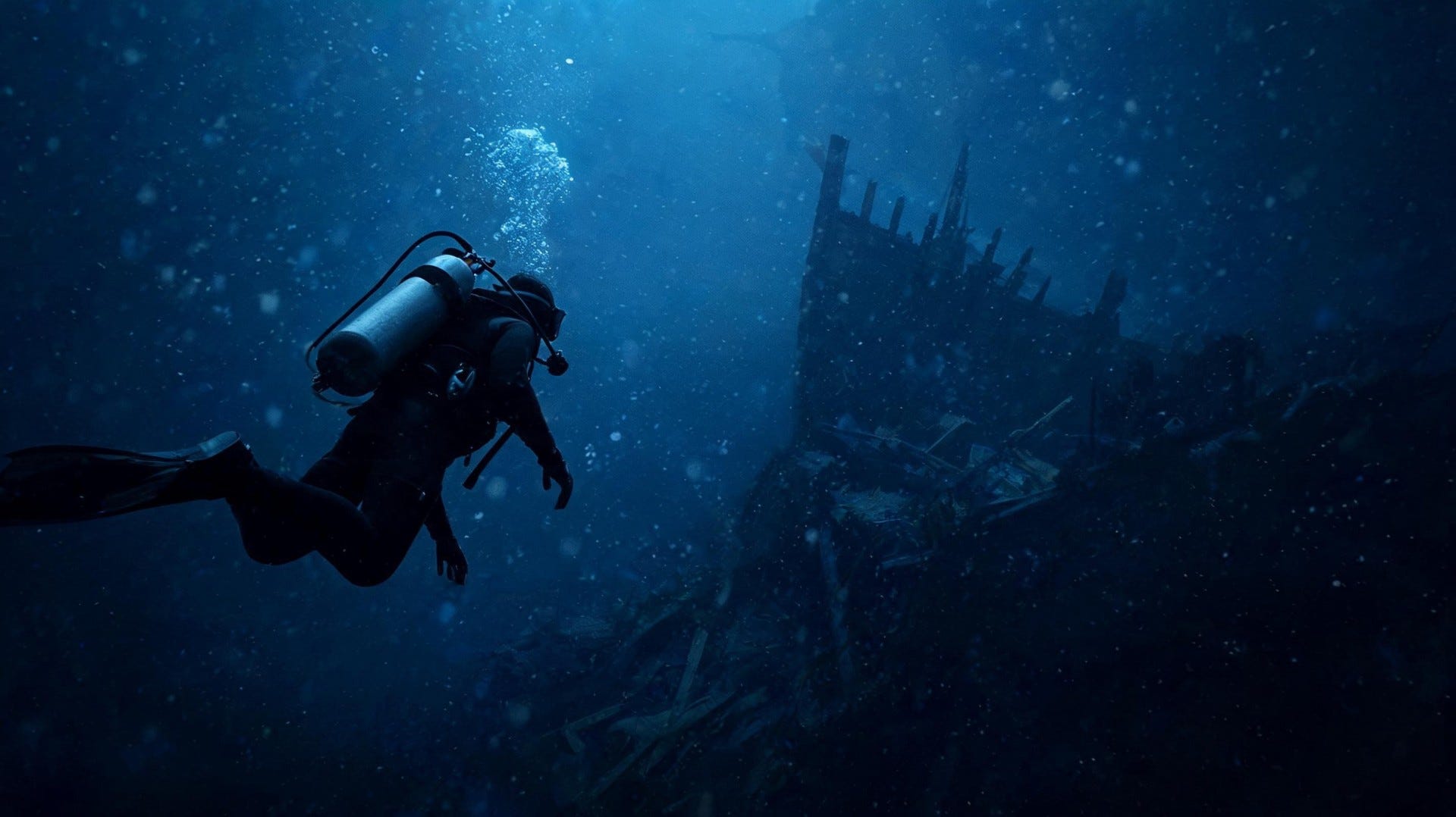
In 1982, a Turkish sponge diver named Mehmet Çakir was gliding through the deep blue waters off the southern coast of Turkey near Cape Uluburun when he spotted something strange resting on the seabed forty-five meters below.
Podcast analysis
Wedged into the steep slope were rows of weathered, metallic objects that looked to him like “biscuits with ears.”
He didn’t know it yet, but Çakir had just stumbled upon the holy grail of biblical-era archaeology.
What lay beneath the waves wasn’t just a sunken boat; it was the Uluburun Shipwreck. A pristine, 3,300 year old time capsule from the Late Bronze Age (roughly 1320–1300 BCE). Over the next decade, archaeologists would risk their lives on thousands of deep-water dives to excavate its contents.
What they brought to the surface didn’t just add a new chapter to our history textbooks… it completely tore them up and rewrote them.
The Floating Recipe for Bronze
Before the discovery at Uluburun, mainstream history tended to view the ancient world as a collection of isolated, regional kingdoms. We imagined Egyptians, Greeks, and Babylonians living in their own bubbles, only interacting during the occasional war.
The cargo hull of this single, fifteen-meter wooden ship completely shattered that illusion. It was packed to the brim with a mind-bogglingly cosmopolitan inventory of luxury goods and raw materials from at least seven different ancient cultures:
African ebony and ostrich eggshells from Nubia
Vivid blue glass ingots and jars of resin from Canaan (the Levant)
Fine pottery from Cyprus and Mycenaean Greece
Amber beads traded down from the distant Baltic coast of Northern Europe
Gold jewelry and an exotic ivory scarab bearing the name of Egypt’s legendary Queen Nefertiti
But the most revolutionary part of the cargo wasn’t the luxury items. It was the heavy metal. The ship was weighed down by exactly ten tons of copper ingots (those “biscuits with ears” the diver saw) and approximately one ton of tin ingots. If you know your ancient metallurgy, you’ll recognize that bronze is created using a precise ratio of 90% copper to 10% tin.
This ship wasn’t carrying a random assortment of metal; it was carrying a perfectly pre-measured, industrial-scale recipe for eleven tons of bronze. Because copper and tin rarely occur in the same geographic region, this single cargo hull proved the existence of highly coordinated, international supply chains. It was an ancient industrial economy operating at a staggering scale.
Royal Pen Pals and the Multinational Crew
The sheer value of the Uluburun cargo suggests this wasn’t a standard, everyday merchant run. Many of the items aboard were so high-end that they were likely diplomatic gifts being exchanged between royal courts.
This matches written historical records found in Egypt known as the Amarna Letters - clay tablets where the rulers of Egypt, Babylon, and Assyria write to one another like political equals, gossiping, negotiating marriages, and bragging about the lavish gifts they were sending across the sea. Uluburun provided the hard, physical evidence that these ancient political networks were very real.
Yet, for all its royal connections, the human story on deck is deeply personal. Among the ruins, archaeologists found personal tools, weapons, gaming pieces, and balance weights. By analyzing these everyday items, historians have pieced together a picture of a truly multicultural crew. On any given day on that wooden deck, you might have found Canaanite merchants reviewing trade ledgers, Cypriot sailors working the rigging, and Mycenaean dignitaries traveling as passengers. It was a thriving, diverse microcosm of the ancient world navigating the waves together.
The Shadow of Collapse
There is, however, a haunting postscript to the story of the Uluburun ship.
Tree-ring dating of the ship’s firewood places its final voyage right around 1300 BCE. This means it was sailing at the absolute zenith of the Bronze Age world—a time of peak wealth, peak art, and peak international cooperation.
But it was also sailing directly into a storm it couldn’t see coming.
Only a few decades after this ship sank, the entire Mediterranean world suffered a catastrophic, systemic breakdown known to historians as the Bronze Age Collapse. Within a generation or two, Mycenaean Greece fell into a dark age, the mighty Hittite Empire vanished entirely, Egyptian power fractured, cities across the Mediterranean burned, and the global trade routes disappeared. Because everything was so interconnected, when one domino fell, the entire system went down with it. The very globalization that made these empires unimaginably wealthy also made them incredibly fragile.
Why It Matters Today
The Uluburun shipwreck matters because it fundamentally changes the emotional image we have of our own past. It proves that complex globalization, multinational corporate-style logistics, and deep cross-cultural dependency are not uniquely modern inventions.
When we look at the wreckage near Kaş, we are looking at a mirror. It forces us to realize that human civilizations have long built fragile networks of cooperation across continents and seas… and it serves as a gentle, sobering reminder from the deep past that no matter how advanced a global system feels, it is only ever as strong as the connections that hold it together.

Love the history. Thank you
Another fantastic. History lesson. I still wonder where you get this information. It's really pretty obscure, at least as far as I'm concerned.